

Deep in the shadows of Mount Santubong, something transformative happens every June. The jungle air hums with the pulse of a thousand cicadas. The Rainforest World Music Festival (RWMF) isn’t just a weekend of world-class music. It’s a masterclass in how we can celebrate our heritage without costing the earth.
🍃 #RWMF #Borneo #RainforestFestival
I have been lucky enough to experience concerts and festivals around the region. However, none feel quite as “at home” as the RWMF. Here is how our very own Sarawakian gem is setting a global benchmark for regenerative tourism and climate action.
A Fragile Venue with a Bold Vision
The Sarawak Cultural Village is a 17-acre “living museum.” It’s a delicate ecosystem of mangroves and rainforest. Hosting 20,000 people here is a massive logistical challenge. In the past, “festival season” across the world often meant “trash season.” But RWMF has flipped the script.
Instead of treating the venue as a temporary stage, the organizers treat it as a sacred trust. They’ve moved from “Band-Aid” fixes to making sustainability part of the event’s DNA. This is Regenerative Tourism. It is the idea that we shouldn’t just “do no harm.” Instead, we should actually leave the land better than we found it.
The Data: Turning Waste into a Resource
We often hear festivals talk about being “green,” but RWMF brings the hard data. The waste management here is a precision operation that focuses on circularity.
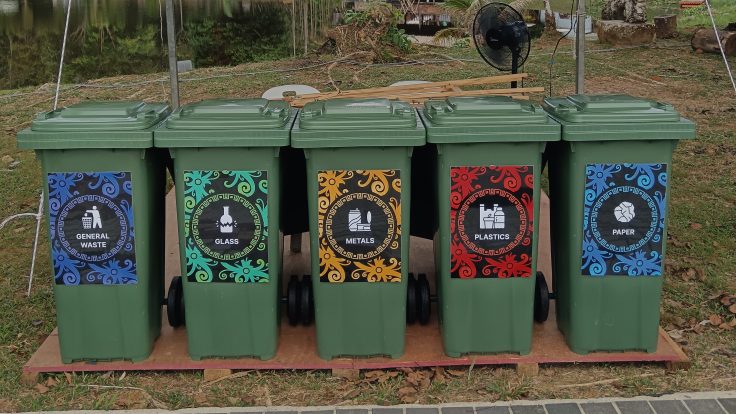
Between 2023 and 2025, the festival saw a staggering 135% increase in plastic recovery. The festival deployed “Green Ambassadors.” It implemented a strict multi-stream segregation system. As a result, the festival diverted over 1,100 kgs of waste from landfills in the last year alone.
RWMF 2025 Impact Snapshot:
- Plastic Recycled: 410.8 kgs (A record high!)
- Food Waste Composted: 374 kgs
- Landfill Reduction: 31% decrease in general waste compared to 2024.
From composting food waste to recycling used cooking oil, every byproduct is funneled back into a recovery pipeline. This isn’t just cleanup; it’s a new way of working that treats waste as a valuable raw material.
More Than Music: The Sape Renaissance
My favourite part of the festival are the workshops. This is an interactive sharing session between the master instrumentalist and the audience. Often they are surrounded by a circle of eager youth. This is the Arts CSR Programme in action.
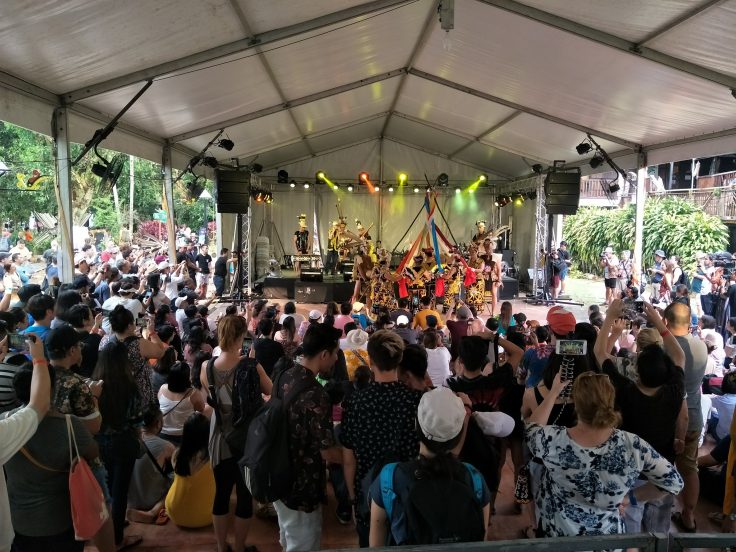
Before RWMF, the Sape (the traditional boat-shaped lute) was a dying instrument. Today, it’s a global icon of Bornean cool. This “human-to-human” apprenticeship model ensures that our cultural soul isn’t just archived in a database. It’s alive and breathing. It provides a sustainable livelihood for the next generation of Dayak creatives.
Breaking the Mold: Why RWMF Stands Out
What makes RWMF different from other regional events? It’s the “No-Barriers” approach. While other festivals put artists on high pedestals, RWMF invites them into the longhouses. You aren’t just a spectator; you are part of a global village.
Moreover, the festival has automated environmental responsibility through its EcoGreen Planet initiative. A part of every ticket sale is a mandatory investment in reforestation. When you dance at RWMF, you are literally growing the forest for 2026 and beyond.

Powered by Purpose (and Policy)
Sustainability requires more than just good vibes; it requires a solid financial foundation. Aligned with Sarawak’s Post COVID Development Strategy 2030 policy, the festival is a “Living Laboratory” for the state’s green goals.
Through public-private partnerships, the RWMF ensures that:
- The Green Shuttle remains free (reducing thousands of car trips).
- Water Filtration Stations stay high-capacity—preventing over 30,000 plastic bottles from entering our oceans every year.
🌿 Join the Movement: What Can You Do?
The spirit of RWMF shouldn’t stay in the jungle; it should travel home with you. Regenerative action starts where your feet are.
I encourage you to explore sustainability practices within your own community this week. Each small, intentional act ripples outward. Support a local circular economy. Volunteer for a neighborhood greening project. Advocate for waste reduction at your local events.
Challenge: Find one local initiative in your hometown that mirrors the values of RWMF and give them your support. Let’s prove that you don’t need a rainforest to be a guardian of the planet.
The Big Picture
A festival named after the rainforest cannot thrive if the forest itself is suffering. RWMF proves that sound and nature can exist in harmony. It’s a call to every traveler. Be more than just a visitor. Become a guardian of the rhythms that keep our island alive.
Are you ready to be part of the legacy? See you at the foot of Mount Santubong for RWMF 2026.
 Dayak Wanderer
Leave a comment